Personal Security Guide

๐€ ๐ฅ๐จ๐ญ ๐จ๐Ÿ ๐ฉ๐ž๐จ๐ฉ๐ฅ๐žโ€™๐ฌ ๐š๐œ๐ญ๐ข๐จ๐ง๐ฌ ๐๐ž๐ญ๐ž๐ซ๐ฆ๐ข๐ง๐ž ๐ก๐จ๐ฐ ๐ž๐Ÿ๐Ÿ๐ž๐œ๐ญ๐ข๐ฏ๐ž ๐ฌ๐ž๐œ๐ฎ๐ซ๐ข๐ญ๐ฒ ๐š๐ฐ๐š๐ซ๐ž๐ง๐ž๐ฌ๐ฌ ๐ฉ๐ซ๐จ๐ ๐ซ๐š๐ฆ๐ฌ ๐š๐ซ๐ž.

5 views By Btissam
๐€ ๐ฅ๐จ๐ญ ๐จ๐Ÿ ๐ฉ๐ž๐จ๐ฉ๐ฅ๐žโ€™๐ฌ ๐š๐œ๐ญ๐ข๐จ๐ง๐ฌ ๐๐ž๐ญ๐ž๐ซ๐ฆ๐ข๐ง๐ž ๐ก๐จ๐ฐ ๐ž๐Ÿ๐Ÿ๐ž๐œ๐ญ๐ข๐ฏ๐ž ๐ฌ๐ž๐œ๐ฎ๐ซ๐ข๐ญ๐ฒ ๐š๐ฐ๐š๐ซ๐ž๐ง๐ž๐ฌ๐ฌ ๐ฉ๐ซ๐จ๐ ๐ซ๐š๐ฆ๐ฌ ๐š๐ซ๐ž.

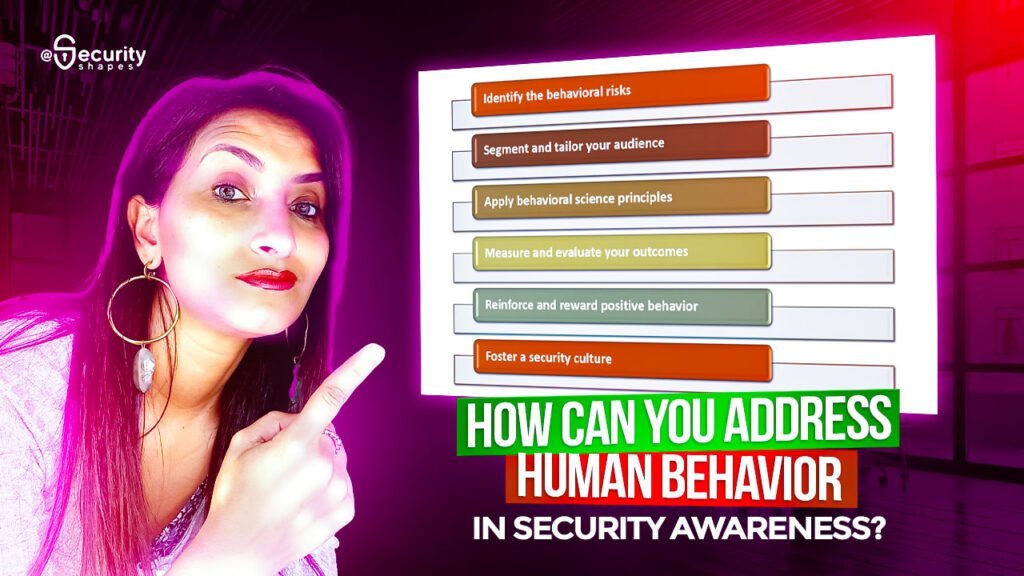
No matter how good our security systems are, human actions can nonetheless increase or decrease cyber dangers. In order to make our security awareness campaigns more effective, how can we deal with these influences on behavior? ๐‹๐จ๐œ๐š๐ญ๐ž ๐๐จ๐ญ๐ž๐ง๐ญ๐ข๐š๐ฅ ๐ƒ๐š๐ง๐ ๐ž๐ซ๐ฌ ๐๐š๐ฌ๐ž๐ ๐จ๐ง ๐๐ž๐ก๐š๐ฏ๐ข๐จ๐ซ ๐๐ฎ๐ฆ๐ž๐ซ๐จ๐ฎ๐ฌ ๐ž๐ฅ๐ž๐ฆ๐ž๐ง๐ญ๐ฌ ,including opportunity, competence, and incentives, influence human behavior, which in turn [โ€ฆ]

No matter how good our security systems are, human actions can nonetheless increase or decrease cyber dangers. In order to make our security awareness campaigns more effective, how can we deal with these influences on behavior?

๐‹๐จ๐œ๐š๐ญ๐ž ๐๐จ๐ญ๐ž๐ง๐ญ๐ข๐š๐ฅ ๐ƒ๐š๐ง๐ ๐ž๐ซ๐ฌ ๐๐š๐ฌ๐ž๐ ๐จ๐ง ๐๐ž๐ก๐š๐ฏ๐ข๐จ๐ซ ๐๐ฎ๐ฆ๐ž๐ซ๐จ๐ฎ๐ฌ ๐ž๐ฅ๐ž๐ฆ๐ž๐ง๐ญ๐ฌ ,including opportunity, competence, and incentives, influence human behavior, which in turn impacts security. Making security information available alone is insufficient. Improving the organization’s security culture should be our main goal. We may do this by utilizing behavioral science to create interventions that successfully alter behavior and decrease vulnerabilities.

๐ƒ๐ข๐ฏ๐ข๐๐ž ๐˜๐จ๐ฎ๐ซ ๐€๐ฎ๐๐ข๐ž๐ง๐œ๐ž ๐ข๐ง๐ญ๐จ ๐’๐ฎ๐›๐ฌ๐ž๐ญ๐ฌ ๐š๐ง๐ ๐Œ๐ž๐ž๐ญ ๐“๐ก๐ž๐ข๐ซ ๐’๐ฉ๐ž๐œ๐ข๐Ÿ๐ข๐œ ๐๐ž๐ž๐๐ฌ To build and oversee successful security awareness initiatives, it is essential to establish strategies for engaging stakeholders. In order to improve risk management and internal relationships, these strategies will help you identify your audience, personalize your messaging, and win support for your projects.

 Make Use of Concepts from Behavioral Science Direct it in a simple and useful way. Workers’ day-to-day experiences should inform any solutions proposed. Pay attention to ways to enhance cyber hygiene that are practical and applicable to your profession. As an alternative to studying the brain, immersion training can help people become more self-aware, disciplined, and thoughtful.

 ๐€๐œ๐œ๐ฎ๐ฆ๐ฎ๐ฅ๐š๐ญ๐ž ๐š๐ง๐ ๐€๐ฌ๐ฌ๐ž๐ฌ๐ฌ ๐‘๐ž๐ฌ๐ฎ๐ฅ๐ญ๐ฌ Watch the number of phishing and spam occurrences to see how well your security awareness campaigns are doing. Maintain tabs on these indicators in addition to the rates at which training is finished. Praise and Acknowledge Successful Actions Pay heed to workers who reliably show responsible security behavior. To encourage good conduct and draw attention to effective methods, use recognition programs and incentives like public praise and rewards.

๐’๐ญ๐ซ๐ž๐ง๐ ๐ญ๐ก๐ž๐ง ๐ญ๐ก๐ž ๐•๐š๐ฅ๐ฎ๐ž ๐จ๐Ÿ ๐’๐š๐Ÿ๐ž๐ญ๐ฒ ๐€ ๐ฌ๐ž๐œ๐ฎ๐ซ๐ข๐ญ๐ฒ–focused culture cannot be built without the support of top management. Guarantee that top-level executives are involved and openly back security efforts.

 ๐“๐จ ๐›๐ฎ๐ข๐ฅ๐ ๐š ๐ซ๐จ๐›๐ฎ๐ฌ๐ญ ๐ฌ๐ž๐œ๐ฎ๐ซ๐ข๐ญ๐ฒ ๐œ๐ฎ๐ฅ๐ญ๐ฎ๐ซ๐ž, ๐ฉ๐ซ๐จ๐ฆ๐จ๐ญ๐ž ๐š๐œ๐ค๐ง๐จ๐ฐ๐ฅ๐ž๐๐ ๐ฆ๐ž๐ง๐ญ ๐Ÿ๐ซ๐จ๐ฆ ๐ฉ๐ž๐ž๐ซ๐ฌ ๐š๐ง๐ ๐ค๐ž๐ž๐ฉ ๐ฅ๐ข๐ง๐ž๐ฌ ๐จ๐Ÿ ๐œ๐จ๐ฆ๐ฆ๐ฎ๐ง๐ข๐œ๐š๐ญ๐ข๐จ๐ง ๐จ๐ฉ๐ž๐ง ๐Ÿ๐จ๐ซ ๐ซ๐ž๐ฉ๐จ๐ซ๐ญ๐ข๐ง๐  ๐ข๐ง๐š๐ฉ๐ฉ๐ซ๐จ๐ฉ๐ซ๐ข๐š๐ญ๐ž ๐›๐ž๐ก๐š๐ฏ๐ข๐จ๐ซ.

Comments

0 comment(s)

No comments yet. Be the first to share your thoughts.

Leave a comment

Related articles

Personal Security Guide

Btissam Laaouina, Une femme qui sรฉcurise le numรฉrique avec vision, rigueur et impact international. Btissam Laaouina, CCISO, CISSP, CISM, OWASP MEMBER occupe aujourdโ€™hui le poste de Regional Information Security Officer EMEA chez Vantive, oรน elle dรฉfinit et pilote la stratรฉgie de cybersรฉcuritรฉ ร  lโ€™รฉchelle rรฉgionale, en alignant risques, conformitรฉ et objectifs business. ร€ ce niveau [โ€ฆ]

Personal Security Guide

Cyber threats are evolving โ€” and polymorphic attacks are a perfect example.Unlike traditional malware, polymorphic threats constantly change their code and signatures, making them extremely difficult for traditional detection tools to identify.The result?๐™Ž๐™ž๐™œ๐™ฃ๐™–๐™ฉ๐™ช๐™ง๐™š-๐™—๐™–๐™จ๐™š๐™™ ๐™™๐™š๐™›๐™š๐™ฃ๐™จ๐™š๐™จ ๐™ฆ๐™ช๐™ž๐™˜๐™ ๐™ก๐™ฎ ๐™—๐™š๐™˜๐™ค๐™ข๐™š ๐™ค๐™—๐™จ๐™ค๐™ก๐™š๐™ฉ๐™š. To stay ahead, organizations must rethink their security posture: ย Behavior-based detection instead of signature reliance ย AI-driven threat analytics [โ€ฆ]

Personal Security Guide

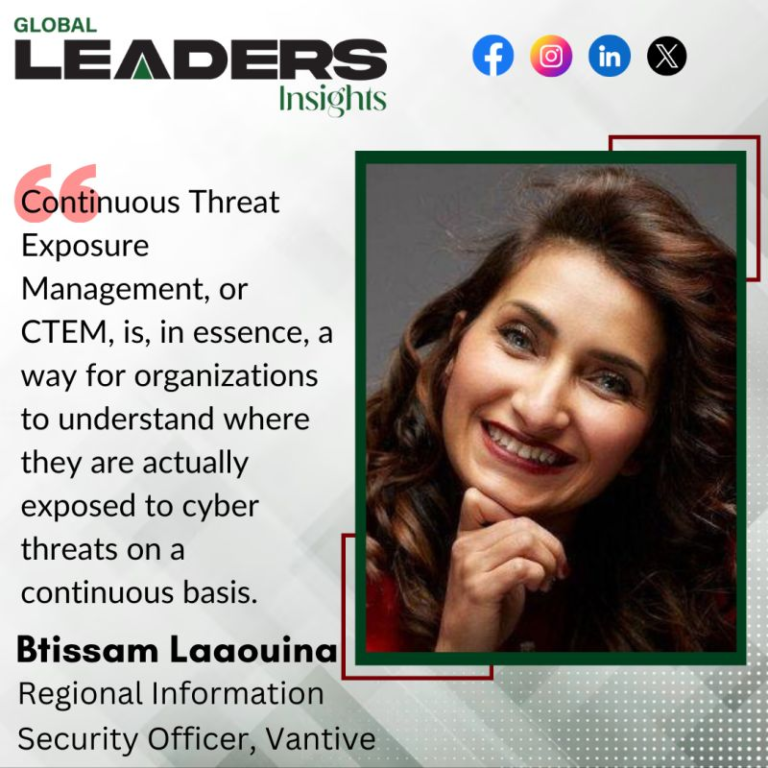
n an exclusive conversation with Global Leaders Insights,ย Btissam Laaouina, Regional Information Security Officer at Vantive, explains how Continuous Threat Exposure Management (CTEM) is transforming the way organizations approach cyber risk. Laaouina highlights the shift from traditional vulnerability management toward a more contextual approach that prioritizes real-world exposure and business impact rather than simply counting vulnerabilities. [โ€ฆ]